Best Historic Stays Near Moita
One property near Moita carries a genuine historic building tag, B&B Hotel Sado Setúbal, a manor house converted into a hotel in Setúbal, on the south bank of the Tagus in the Setúbal district. Six minutes by taxi from the Forte de São Filipe, a seventeenth-century fort overlooking the town, it pairs its heritage building with a rooftop bar and terrace, a combination that is not common among the area's other, more functional hotels built primarily for practicality rather than character. For travellers who want a genuine sense of Setúbal's fishing and shipbuilding-era history built into where they actually sleep, it remains the only real option on the south bank near Moita.
Historic · Moita in numbers
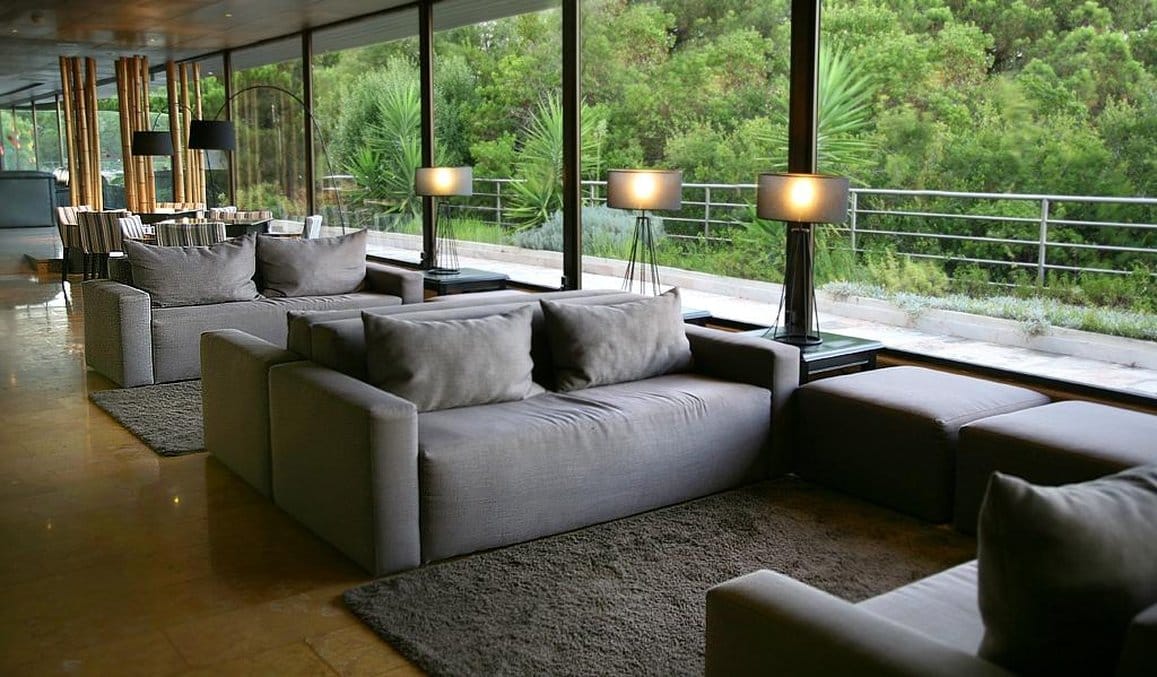
A manor house with a modern rooftop
B&B Hotel Sado Setúbal occupies a building the hotel describes as a manor house turned premium hotel, a rarer find on the south bank than in Lisbon's more heavily restored historic districts. The rooftop bar and terrace it added feels like a deliberate contrast, a modern amenity layered onto a historic structure rather than an attempt to disguise the building's age, and that contrast is part of what makes a stay here feel different from a purely functional business hotel. Guests who care about staying somewhere with real architectural history, rather than a modern build styled to look older, will notice the difference in the thickness of the walls alone.
Six minutes by taxi puts guests at the Forte de São Filipe, the seventeenth-century fort that has watched over the mouth of the Sado estuary since Setúbal's shipbuilding days. It remains one of the more striking historic landmarks on the south bank, and staying at a historic hotel within easy reach of it gives the visit added context rather than treating it as a separate day trip disconnected from the rest of the stay. Visiting the fort directly from a historic hotel rather than as an isolated day trip from Lisbon gives the whole excursion a stronger sense of place, tying the visit back to the building guests are actually staying in.
The hotel also sits close to the Church of the former Monastery of Jesus, a Setúbal landmark associated with the Manueline architectural style, roughly the same distance away as 34 Guest House, a separate property near the same church. B&B Hotel Sado Setúbal's own building predates most of Setúbal's twentieth-century hotel stock, giving it a genuinely different character from the town's newer options built purely for function rather than architectural interest. That proximity to two of Setúbal's most significant historic sites, the fort and the church, makes the hotel a genuinely convenient base for travellers whose main interest in the south bank is its history rather than its beaches.
At eighty-nine euros a night with breakfast available, B&B Hotel Sado Setúbal sits mid-range for the area, a reasonable price for a historic building with a rooftop bar attached. It is not a restored palace or a former convent turned luxury hotel, the kind found elsewhere in Portugal, but for the south bank near Moita it remains the clearest link between a genuine historic structure and an actual place to sleep for the night. Travellers weighing it against a Lisbon stay should remember that a genuinely old building this close to a working fort and a Manueline church is rare enough on the south bank to be worth the modest premium over a plain modern room.
Setúbal built its wealth on fishing, salt and shipbuilding, and the manor houses that survive from that era, B&B Hotel Sado Setúbal's building among them, are a physical record of that history rather than a themed recreation. The Forte de São Filipe still looks out over the Sado estuary the way it has for centuries, a genuine landmark rather than a restored attraction built for visitors, and that authenticity carries through into the hotel itself.